Last Updated: 2 November 2026
Quick Summary
Practical self defence for real world scenarios is about buying time and space, not winning a fight. We teach adults and children to recognise trouble early, stay on their feet and use simple skills such as a balanced stance, releases and breakaway footwork to create an exit.
- Scan before you commit, because most trouble announces itself through positioning, body language and timing.
- Prevention beats escape, escape beats de-escalation, and de-escalation beats fighting.
- Two sessions a week, every week, builds more usable skill than one punishing session.
- Our Adult Self Defence Classes run twice a week and cater for all levels, beginners to experienced.
- Kids Self Defence Classes cover beginners aged 5 years and upwards and intermediates 5 to 18 years old.
Table of Contents
- Self Defence Training for Beginners: Building Skills That Work
- How to Improve Situational Awareness and Avoid Trouble
- Adult Self Defence Training Frequency and Martial Arts Classes for Children
- Frequently Asked Questions
Self Defence Training for Beginners: Building Skills That Work
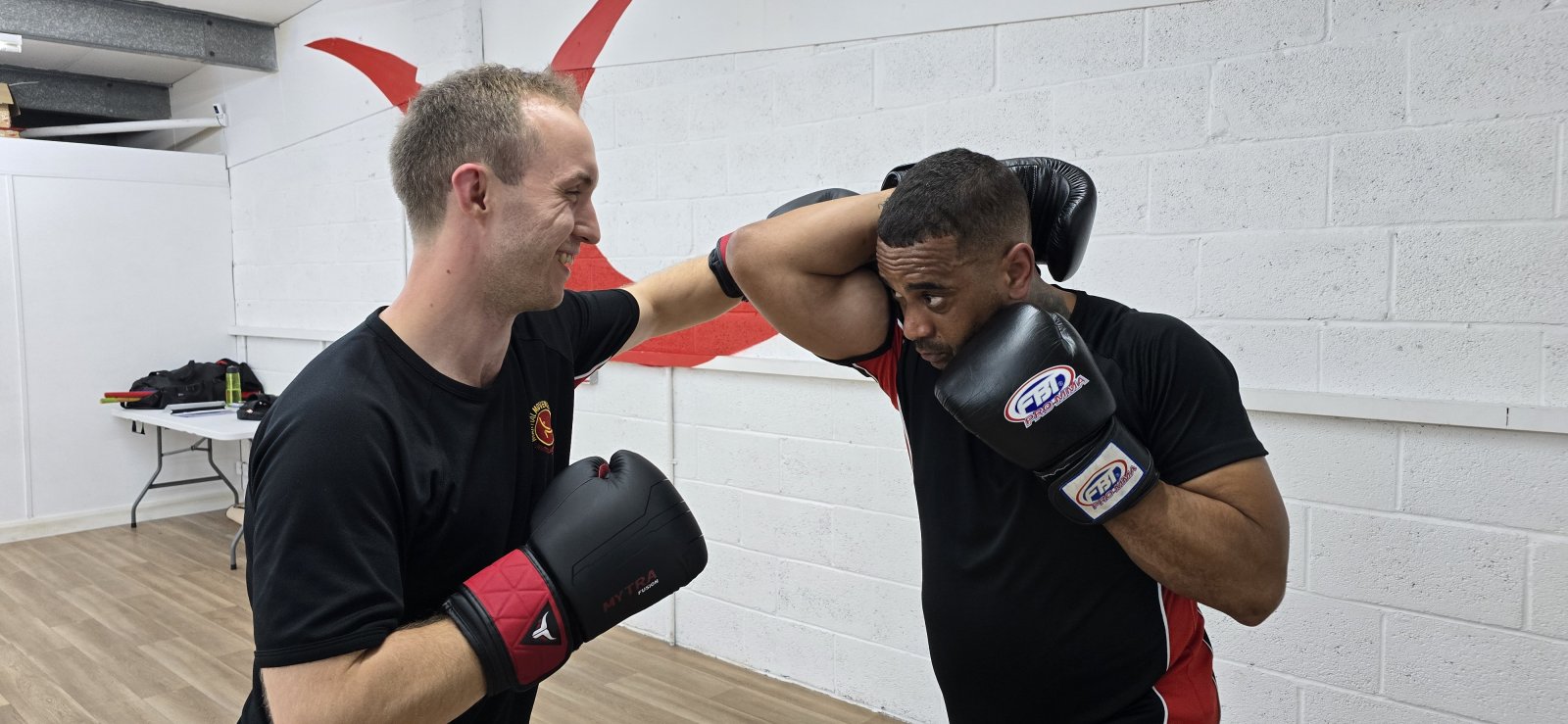
Practical self defence for real world scenarios is about buying time and space, not winning a fight. At Martial Movement 360, we teach adults and children to recognise trouble early and stay on their feet.

Beginners often chase complicated moves before they can hold a stable stance under pressure. The skills that work are unglamorous: a balanced stance, simple releases, short controlled strikes to create an exit, and breakaway footwork. The beginner’s guide to building practical self defence skills walks through this progression in more detail.
How to Improve Situational Awareness and Avoid Trouble
How to improve situational awareness starts with one habit: scanning before you commit. Most trouble announces itself through positioning, body language and timing long before anyone throws a punch.
Threat awareness is trainable. Prevention beats escape, escape beats de-escalation, and de-escalation beats fighting. The most common mistake is standing still while someone closes distance and talks you into a corner, move early, keep objects between you, and make noise. Our guide to the best way to defend yourself covers avoidance and where the legal line sits.
Adult Self Defence Training Frequency and Martial Arts Classes for Children
Adult self defence training frequency matters more than intensity. Two sessions a week, every week, builds far more usable skill than one punishing session followed by a fortnight off. Our Adult Self Defence Classes run twice a week and cater for all levels, beginners to experienced.
For children, consistency does the same job. Our Kids Self Defence Classes are split into beginners aged 5 years and upwards and intermediates 5 to 18 years old, blending Silat, Filipino Martial Arts, Jeet Kune Do and Boxing.
You can see the adult martial arts and self-defence lessons we run, browse the kids martial arts classes for your child, or book a free lesson and try a session before committing.
Here are the class facts at a glance.
|
Class |
Who it is for |
Frequency |
|---|---|---|
|
Adult Self Defence Classes |
All levels, beginners to experienced |
Twice a week |
|
Kids Self Defence Classes (beginners) |
Beginners aged 5 years and upwards |
Not stated |
|
Kids Self Defence Classes (intermediates) |
Intermediates 5 to 18 years old |
Not stated |
Frequently Asked Questions
What is the most effective form of self defence for real-world situations?
There is no single best style. Practical self defence draws from multiple disciplines. Striking arts like boxing teach you to manage distance. A good programme combines these with situational awareness and de-escalation. The most effective training is the one you can access regularly and that focuses on realistic scenarios, not just sport techniques.
How do I start learning practical self defence as a beginner?
Start by finding a local class that welcomes beginners and focuses on realistic skills. Look for a programme that builds from the ground up, covering stance, movement, and simple responses under pressure. At Martial Movement 360, our adult classes run twice a week and cater for all levels, from beginners to experienced students. Book a free lesson to see if the environment suits you before committing.
Is self defence training suitable for children and teenagers?
Yes, when the training is age-appropriate. For children, the focus should be on confidence, awareness, and simple safety skills rather than complex fighting techniques. Our martial arts classes for children start from age 5, with beginners and intermediate groups up to 18 years old. The goal is to build discipline and practical skills in a supportive setting, not to create pressure.
The gap between reading about self defence and actually being able to use it is practice under realistic pressure. Martial Movement 360 teaches an integrated combat self-defence curriculum drawing on Silat, Filipino Martial Arts, Jeet Kune Do and Boxing, led by instructors with over 30 years of experience, with progression matched to your ability and a free lesson to start. Get started with Martial Movement 360 and build skills you can rely on when it counts.