Table of Contents
- Why Learning Practical Self Defence Matters
- Practical Self Defence vs Sport Karate: What’s the Difference?
- Beginner Self Defence Techniques You Can Start With
- How to Choose a Self Defence Class
- Frequently Asked Questions
Last Updated: October 1, 2026
Why Learning Practical Self Defence Matters
Learning practical self defence trains you to stay calm, set boundaries, and protect yourself when it counts. This guide from Martial Movement 360 breaks it down for complete beginners.
It also builds fitness and confidence.
Practical Self Defence vs Sport Karate: What’s the Difference?
Practical self defence focuses on real-world protection; sport karate is a scored competition with rules and referees.
The key differences:
- Sport karate has rules; real life does not
- Sport karate scores points; self defence ends the threat
Both build fitness and discipline, but for protection, look for a class teaching practical self defence.
Beginner Self Defence Techniques You Can Start With
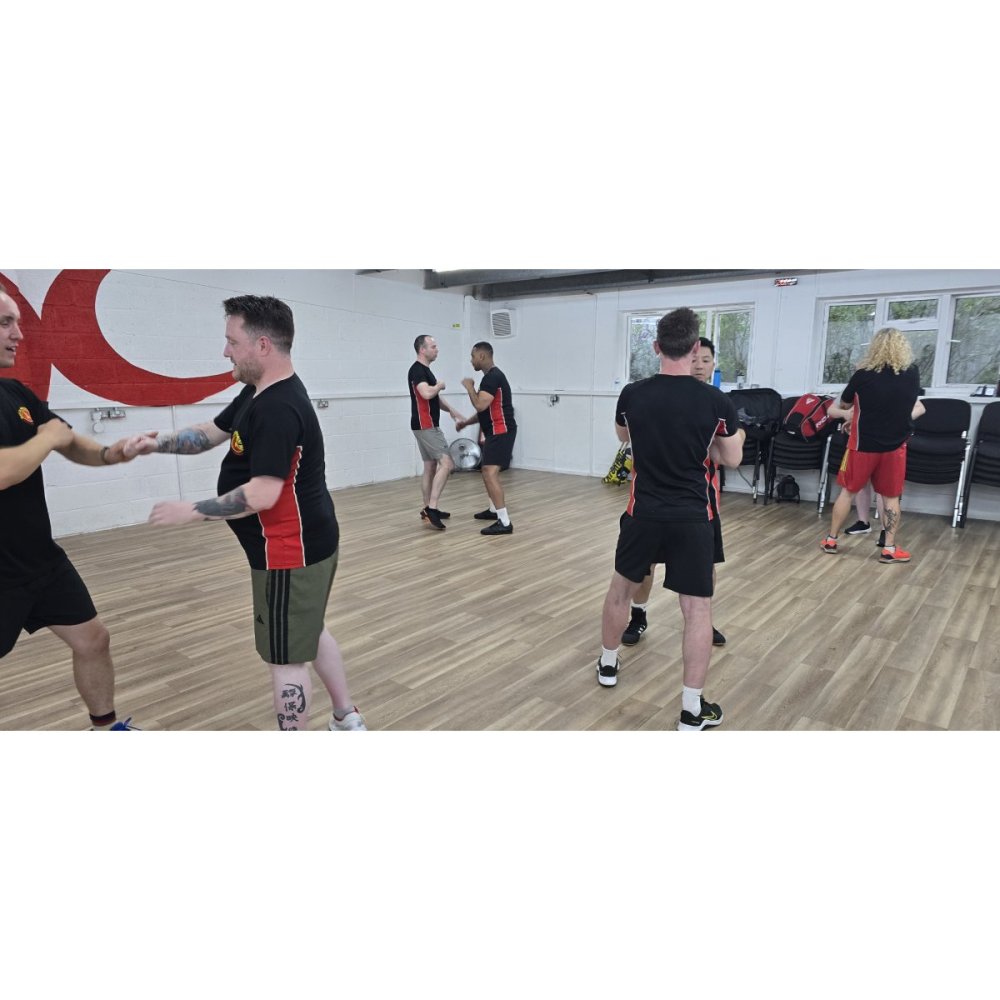
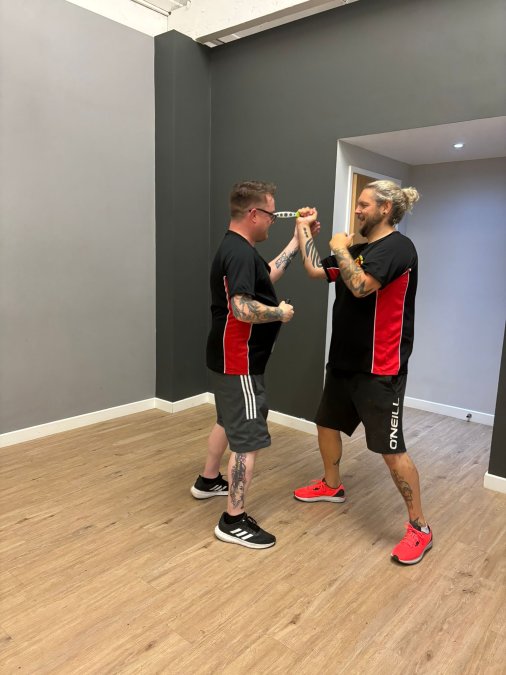
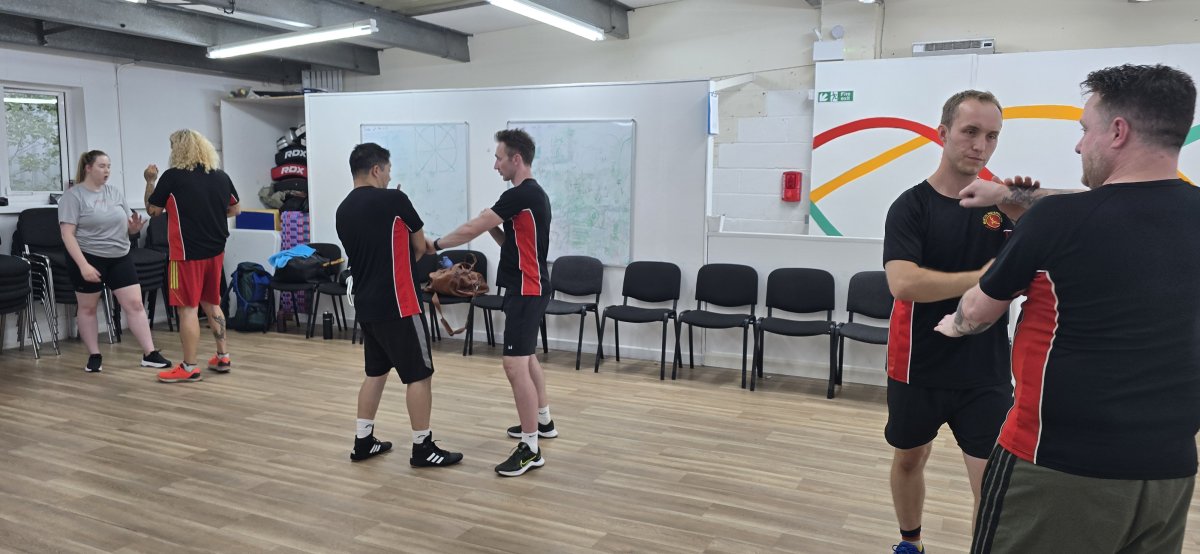
Start with three simple skills: a strong stance, a clear guard, and a loud verbal stop, the base of most beginner self defence techniques.
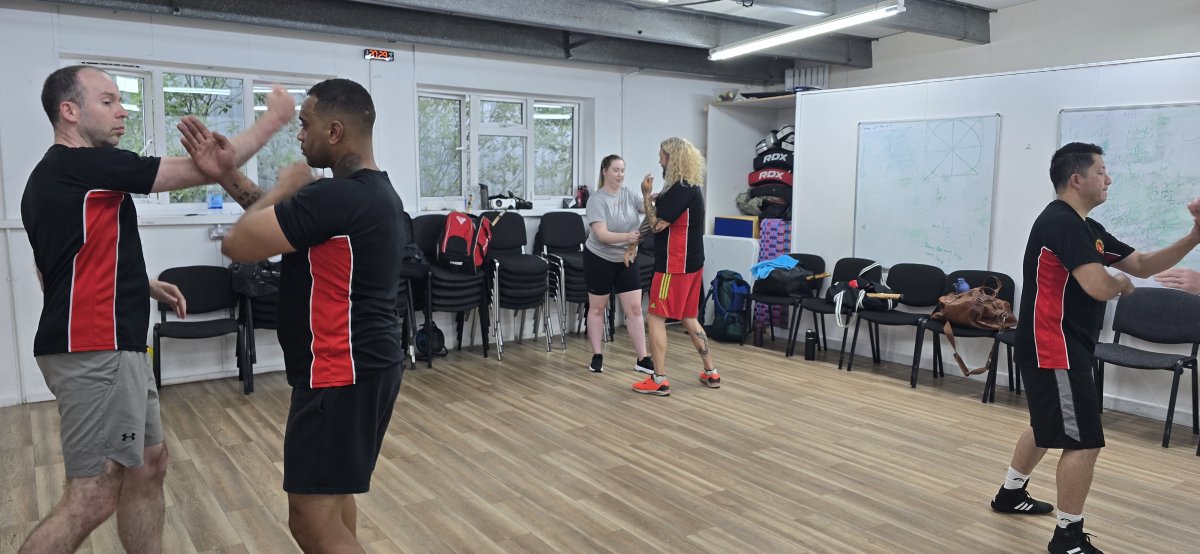
Then add palm strikes to create space, knee strikes at close range, breaking free from a wrist grab, and backing away while calling for help.
How to Choose a Self Defence Class
Choose a class mixing practical drills with fitness and sparring that welcomes total beginners.
Ask whether they teach real-world scenarios, whether instructors are experienced and patient, whether there is a free trial, and whether class times suit your week.
At Martial Movement 360, our Adult Self Defence Classes run twice a week and cater for all levels, beginners to experienced. Our Kids Self Defence Classes cover beginners aged 5 years and upwards and intermediates aged 5 to 18 years old. We also offer a free trial so you can try before you commit.
|
Option |
Typical Commitment |
Best For |
Try First |
|---|---|---|---|
|
Adult classes (twice weekly) |
Two sessions per week |
All levels, beginners to experienced |
Free trial lesson |
|
Kids beginners (5+) |
Weekly session |
New starters aged 5 and up |
Free trial lesson |
|
Kids intermediates (5-18) |
Weekly session |
Children with some experience |
Free trial lesson |
|
One-off taster session |
Single visit |
Anyone unsure about joining |
Free trial lesson |
Learning practical self defence takes patience, but the payoff is real: better fitness, sharper awareness, and skills you can actually use. Martial Movement 360 blends Silat, Filipino Martial Arts, Jeet Kune Do, and Boxing, taught by an instructor with over 30 years of experience who trained with Dan Inosanto. With adult classes twice a week for all levels, kids’ classes for ages 5 and up, and a free trial lesson, it is the easiest way to start. Book your free lesson with Martial Movement 360.
Frequently Asked Questions
What is the most effective form of practical self defence for beginners?
The most effective approach for beginners combines simple striking, basic escapes, and awareness training. Systems that blend boxing-style punches with Silat and Filipino Martial Arts give you tools that work under pressure. Look for classes that teach you to react to common grabs and threats rather than memorising complex routines. Martial Movement 360 integrates these disciplines into a structured curriculum designed for real-world situations.
Is practical self defence different from sport-based martial arts?
Yes. Sport karate focuses on scoring points under competition rules, with controlled contact and referees. Practical self defence trains you for unpredictable situations where there are no rules, no protective gear, and no second chances. The techniques overlap, but the intent and pressure testing are different. If your goal is protecting yourself outside a dojo, prioritise classes that address realistic scenarios.
How do I choose a self defence class that suits me?
Visit a session and watch how instructors interact with beginners. Check whether they explain the reasoning behind techniques, not just the movements. Ask about class sizes, progression structure, and whether they offer a free trial so you can try before committing. For children, look for beginners aged 5 years and upwards and intermediates 5 to 18 years old. Adult classes twice a week suit most schedules and allow steady progress.