Table of Contents
- Practical Self Defence vs Sport Karate: What Actually Works
- Reasonable Force UK Law: What You Need to Know
- Situational Awareness Techniques: Your First Line of Defence
- Frequently Asked Questions
Last Updated: September 29, 2026
Practical Self Defence vs Sport Karate: What Actually Works
The best way to defend yourself is to avoid the fight entirely and, when you cannot, use simple, direct techniques that create space to escape. This guide from Martial Movement 360 breaks down what actually works when your goal is getting home safe.
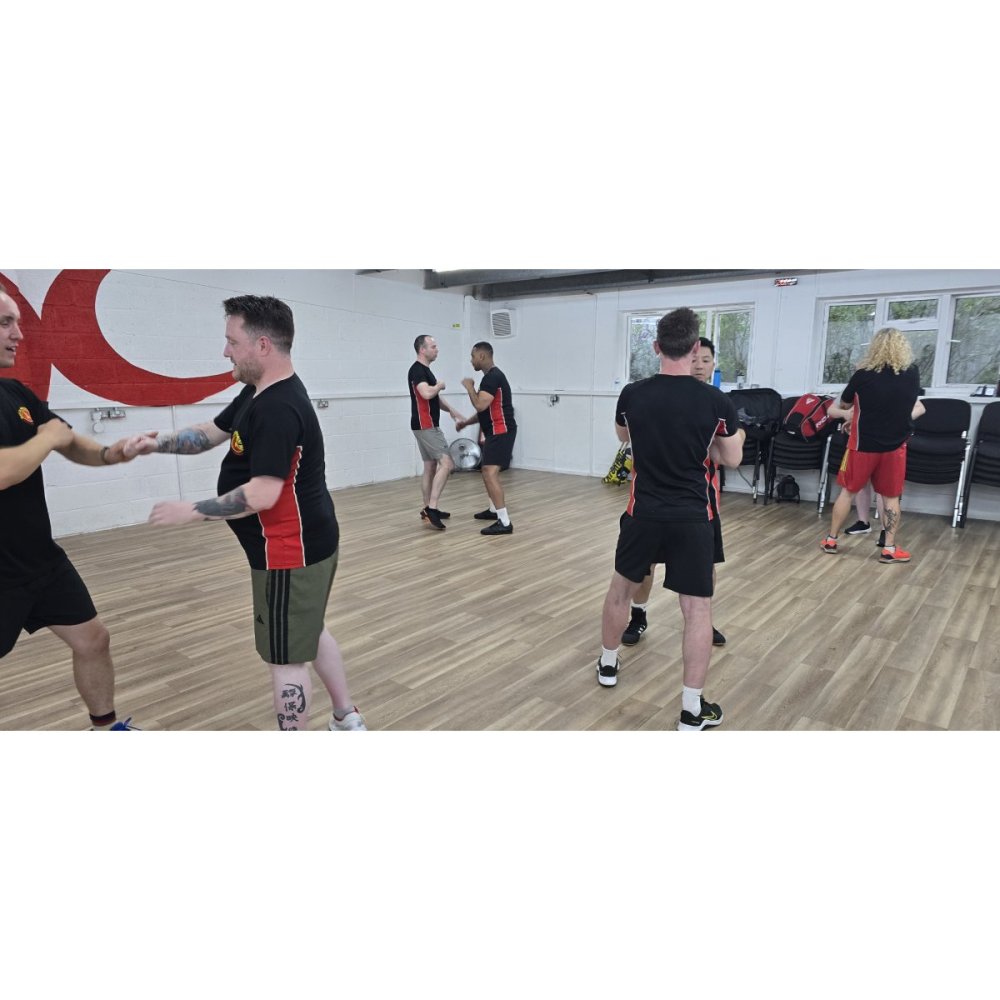
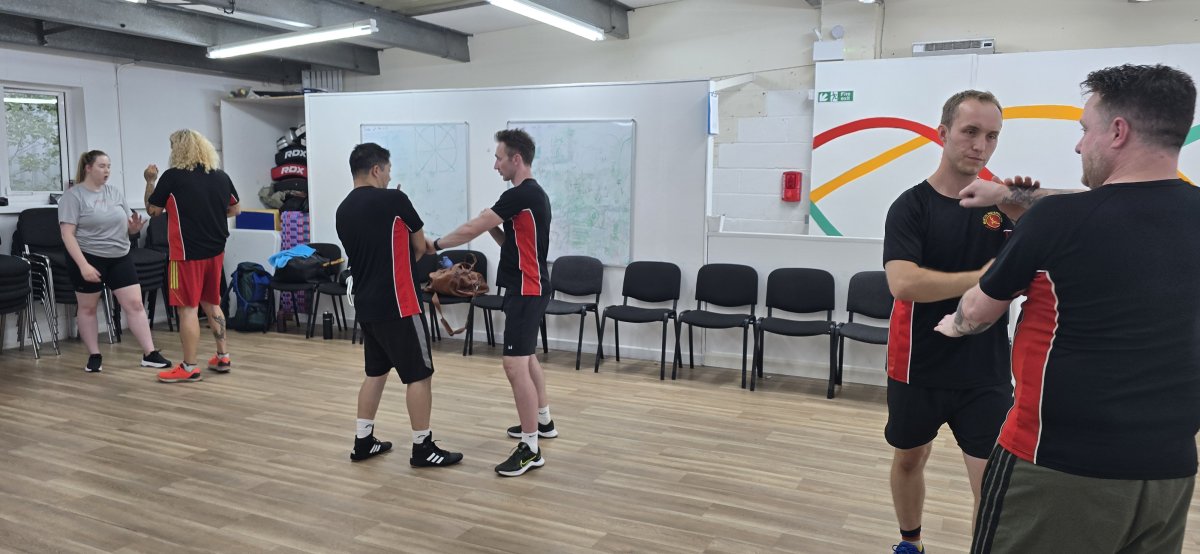
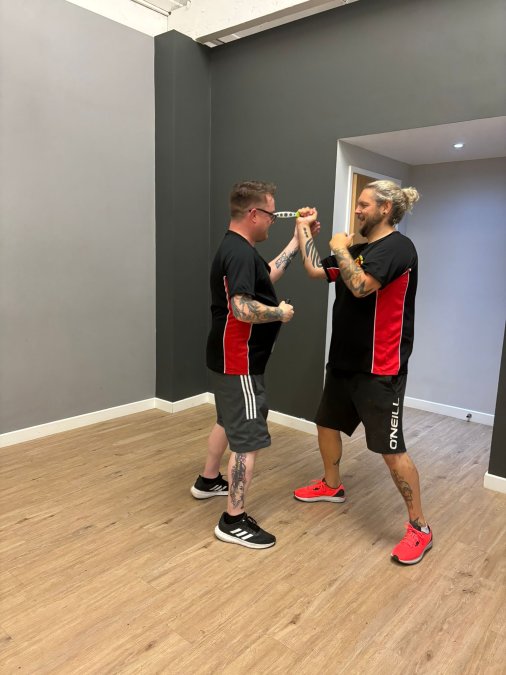
Sport karate trains you to score points under rules; practical self defence trains you to get home safe. Sport karate is competitive, with controlled techniques and protective equipment; practical self defence is the study of escaping real threats, where there are no rules, no referee and no second round. A sport fighter may freeze when grabbed in a car park, while a practical student drills the grab, the escape and the exit until it becomes automatic.
- Targets change. Sport sparring protects the head and body. Practical work addresses grabs, chokes and pins.
- Distance changes. Sport keeps you at scoring range. Practical work teaches you to break contact fast.
- End goal changes. Sport wants a point. Practical work wants you gone.
Reasonable Force UK Law: What You Need to Know
Reasonable force means using only the minimum force needed to stop a threat, and no more. UK law allows you to defend yourself, but the force must be proportionate to the danger you face.
The Crown Prosecution Service guidance on self-defence sets out how prosecutors assess this. The key question is simple: was your response reasonable in the moment?
- You can use force to defend yourself or someone else.
- The force must be proportionate to the threat.
- You cannot use force to punish someone after the danger has passed.
Once the threat is over, the law treats further force as retaliation, not defence.
Situational Awareness Techniques: Your First Line of Defence
Situational awareness techniques are the habits that help you spot trouble before it reaches you. They are your first line of defence, and they cost nothing to learn.
- Keep your head up and your phone away.
- Scan exits when you enter a room.
- Trust the feeling when somewhere feels wrong.
- Walk with purpose, even when unsure.
Confidence you can carry anywhere starts here. Most confrontations are avoided long before they begin, simply because you looked alert and switched on.
At Martial Movement 360, our children’s classes welcome beginners aged 5 years and upwards, with intermediates 5 to 18 years old. Our adult classes run twice a week and cater for all levels, beginners to experienced. Every session builds awareness first, then technique. If you would like to train these habits properly, our Kids Self Defence Classes and Adult Self Defence Classes are a good place to start.
Frequently Asked Questions
What is the most effective form of self-defence for beginners?
For beginners, the best approach combines situational awareness, de-escalation and simple physical techniques. The goal isn’t to win a fight, it’s to get home safe. Practical self defence training that blends multiple disciplines, such as boxing for striking and Silat for close-range control, gives you adaptable skills. Our adult classes run twice weekly and welcome all levels, so you can build confidence without needing prior experience.
What does the law say about reasonable force in self-defence?
Under UK law, you can use reasonable force to protect yourself or others. Force must be proportionate to the threat you face. If you’re in genuine fear for your safety, the law allows you to act instinctively, but you cannot use excessive force once the danger has passed. Understanding reasonable force UK law is essential before relying on any physical technique.
How long does it take to learn basic self-defence skills?
Most people pick up foundational self-defence skills within a few weeks of regular training. Confidence and situational awareness techniques develop faster than physical techniques. Our children’s classes start from age 5 and progress through beginners to intermediates aged 5 to 18. Adults attending twice-weekly sessions typically notice improved awareness and reactions within a couple of months.
Learning to defend yourself is a skill built over time, not a switch you flip. If you want practical skills, real confidence and a supportive place to start, Martial Movement 360 offers expert-led training built on over 30 years of instructor experience. Our integrated curriculum blends Silat, Filipino Martial Arts, Jeet Kune Do and Boxing, with purposeful progression matched to your ability. Book your free lesson and take the first step towards skills you can carry anywhere.