Table of Contents
- Why Boredom Is a Signal, Not a Problem
- What Makes Martial Arts Engaging for Children
- The Benefits of Martial Arts for Children Who Switch Off Easily
- How to Choose a Martial Arts School for Kids
- Martial Arts for Children with ADHD: What to Look For
- Age-Appropriate Styles and When to Start
- Keeping the Spark Alive: Motivation That Lasts
- Conclusion
- Frequently Asked Questions
Last Updated: 28 September 2026
Why Boredom Is a Signal, Not a Problem
A bored child is not a quitter. They are telling you the activity stopped meeting their needs.
That reframe matters, because finding engaging martial arts for bored children starts with reading boredom correctly. Most parents treat it as a discipline problem. In practice, it is usually a design problem.
Think about what bores a child in a typical club. The same warm-up every week. Long stretches of standing still. Very little feedback. A child who switches off quickly is often a child who needs faster variety and clearer progress.
At Martial Movement 360, we see this constantly.
Boredom is information. Here is how to act on it.
What Makes Martial Arts Engaging for Children
Engaging martial arts for children are built on three things: variety, visible progress, and a sense of belonging. A class that delivers all three keeps children coming back long after the novelty fades.
The opposite is also true. Take away any one of the three and interest drops within weeks.
Variety Over Repetition
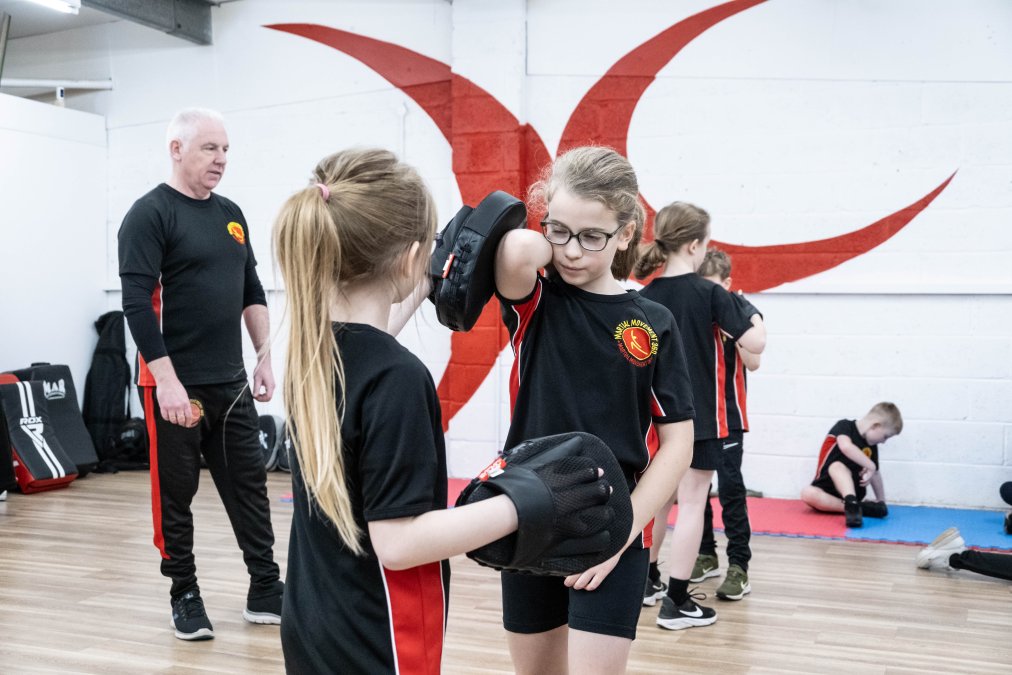
Children lose interest when every session looks identical. Good coaches rotate the focus: pads one week, footwork the next, partner drills after that.
Variety does not mean chaos. It means the same core skills get practised through different games and formats. A child learns balance without noticing they are learning balance.
Visible Progress and Belts
Progress a child can see is fuel. Belt systems work because they turn effort into something tangible.
But belts alone are not enough. Small wins matter more. A coach who says “your stance is much stronger than last month” does more for motivation than a certificate.
- Rotating drills keep sessions fresh
- Belt goals give a clear target
- Verbal feedback delivers quick wins
- Games hide the repetition
The Benefits of Martial Arts for Children Who Switch Off Easily
The benefits of martial arts for children go well beyond fitness. For children who switch off easily, the structure is often the real prize.
Martial arts teach a child to hold focus for short bursts, then extend it. They learn that effort produces visible results. They also learn to handle losing a drill without falling apart.
Parents often report calmer bedtimes and better concentration at school. The training builds routine, respect, and self-control.
For a child who finds traditional team sports overwhelming, martial arts offer something different. Progress is personal. Nobody sits on the bench.
How to Choose a Martial Arts School for Kids
Knowing how to choose a martial arts school for kids comes down to three checks: class size, coaching style, and how the club handles a bored child.
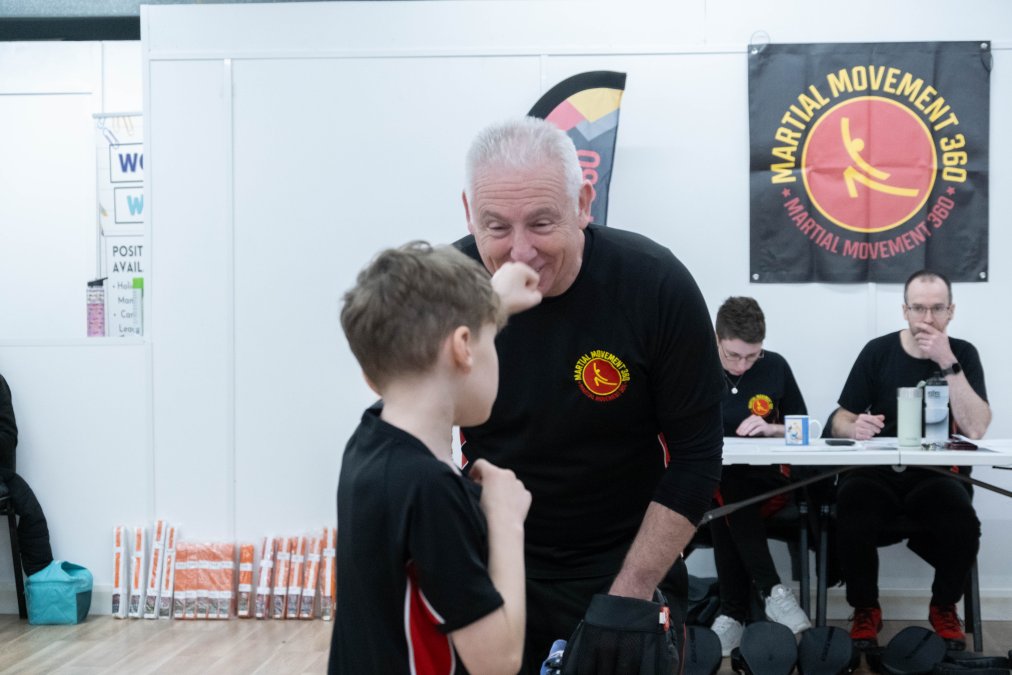
Visit in person. Watch a full session. Look at the faces of the children, not the trophies on the wall.
Small classes mean more individual attention. A coach who learns your child’s name in week one is a good sign. So is a clear progression path with regular feedback.
Questions to Ask on a Trial Visit
Use this checklist on your first visit:
- How many children are in a typical class?
- What happens if my child loses interest mid-session?
- How often do children test for their next belt?
- Are instructors trained to work with different ages?
- Can we try a free lesson before committing?
- What is the cancellation policy if my child wants to stop?
|
What to Check |
Why It Matters |
Red Flag |
|---|---|---|
|
Class size |
More attention per child |
20+ children, one coach |
|
Trial lesson |
Tests real fit |
No trial offered |
|
Progression path |
Gives clear goals |
No belt or level system |
|
Coach manner |
Builds trust fast |
Shouting, no warmth |
|
Flexibility |
Fits family life |
Rigid, no catch-up sessions |
Martial Arts for Children with ADHD: What to Look For
Martial arts for children with ADHD work best when sessions are short, structured, and full of movement. The format suits children who struggle to sit still.
Look for coaches who give one instruction at a time. Clear rules help. So does a predictable routine with small surprises built in.
Avoid clubs that rely on long lectures. A child with ADHD will disengage within minutes, and the coach may blame the child rather than the format.
The best programmes build focus gradually. They reward effort, not just skill. Many parents find this structure carries over into home and school life.
Age-Appropriate Styles and When to Start
Most children can start martial arts between four and six years old, though readiness matters more than age. The right style depends on your child’s temperament.
Here is a simple guide:
- Ages 4-6: Games-based classes that build balance and listening
- Ages 5-9: Structured styles with belt systems and partner drills
- Ages 10-13: Mixed styles, sparring, and self-defence focus
- Teens: Full programmes blending striking, grappling, and strategy
Styles that blend disciplines tend to hold attention longer. A child who tries boxing footwork, pad work, and self-defence drills in one session stays curious.
Keeping the Spark Alive: Motivation That Lasts
Motivation fades when training feels like a chore. Keep it alive by tying progress to something your child cares about.
Celebrate small wins out loud. Watch them move up a level. Let them show you what they learned.
Avoid turning training into a reward-and-punishment system. That works for a few weeks, then backfires.
Conclusion
Keeping a bored child engaged takes the right club, the right format, and a coach who reads boredom as a signal rather than a fault. When those pieces line up, martial arts stop being another activity they drift away from.
At Martial Movement 360, we build sessions around variety, visible progress, and real self-defence skills. Our curriculum blends Silat, Filipino Martial Arts, Jeet Kune Do, and Boxing, led by an instructor with over 30 years of experience. Classes suit all ages and fitness levels, with a free lesson to see if it clicks.
Book a free lesson with Martial Movement 360 and watch your child find a challenge they actually want to keep.
Frequently Asked Questions
What is the best age to start martial arts for children?
Most children are ready between ages 5 and 7, when they can follow simple instructions and take turns. Some schools offer pre-school classes from age 3 that focus on movement games rather than technique. The best age is when your child shows interest and can cope with a 30 to 45-minute session. Trial a class first to see how they respond.
How do I know if a martial arts school is right for my child?
Watch a class before committing. Look for instructors who correct gently, praise effort, and keep all children involved. Ask about class sizes, instructor experience, and whether they offer a free trial. A good school will let you observe and will explain how they handle children who lose focus. Trust your child’s reaction after the session.
Can martial arts help children with focus and discipline?
Yes. The structure of martial arts, with clear rules, repetition, and progression, helps children practise sustained attention. Many parents report improvements in listening and self-control after a few months. The key is a school that balances fun with boundaries. Children with ADHD often benefit from the physical outlet and the step-by-step goals that martial arts provide.
How do I keep my child motivated in martial arts training?
Celebrate small wins, such as a new belt or a well-executed technique. Let your child choose the style if possible. Keep the routine consistent but not overwhelming. If boredom creeps in, talk to the instructor about adding variety or a different class. Avoid pushing too hard; children stay motivated when they feel successful and part of a group.