Most people discover martial arts because they want to get fitter, learn self-defence, or try something new. What keeps them coming back is rarely any of those things.
The social and emotional dimensions of regular training are where martial arts genuinely set themselves apart from other forms of exercise, and a growing body of research backs this up. Whether you are a complete beginner or returning to training after years away, understanding what happens beyond the physical is worth knowing before you take your first class.
You Build Real Relationships, Not Just Training Partners
One of the most consistent findings in martial arts research is the effect on social functioning. Studies examining children and adults who train regularly show increases in sociability, patience, and discipline, alongside the development of traits like empathy and respect that emerge naturally from the training environment itself.
This is not accidental. Martial arts classes are structured around partner work. You learn to read people, respond to them, and trust them, often from the very first session. Over time, the people you train with stop being strangers you happen to share a mat with and become a genuine support network.
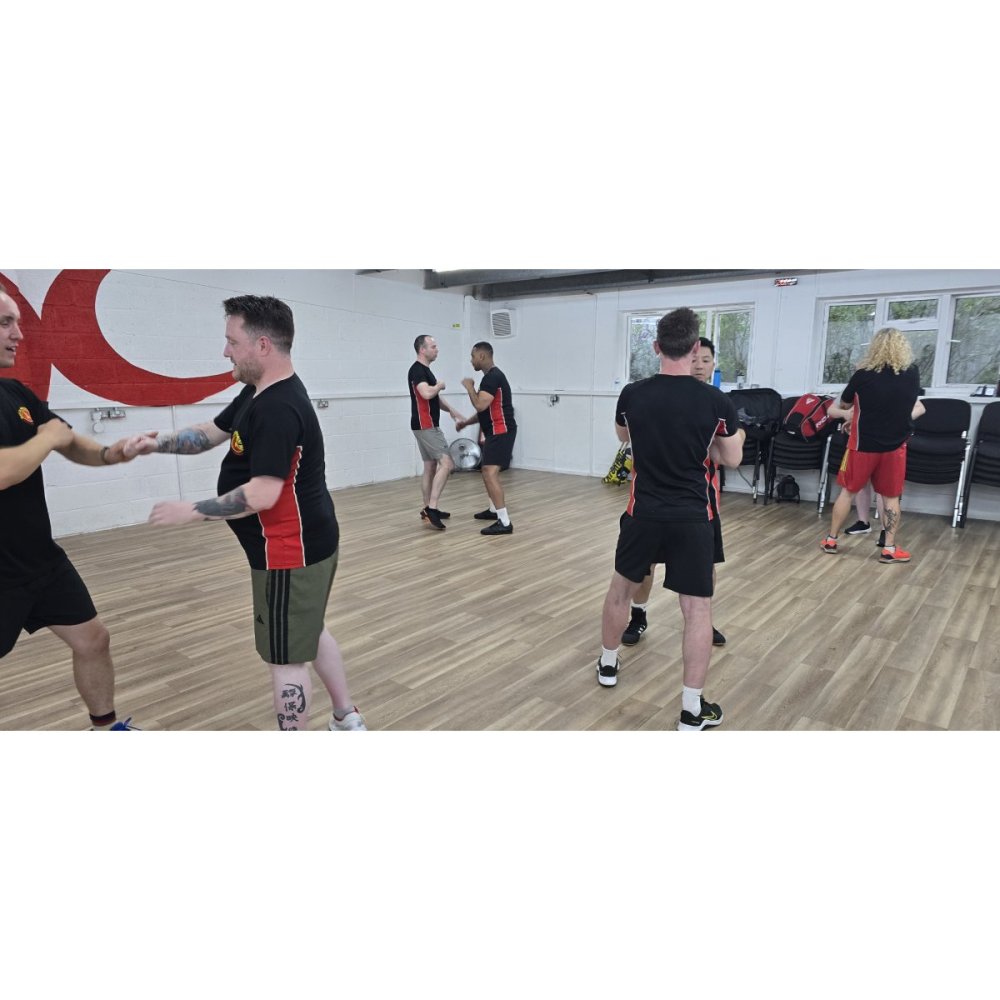
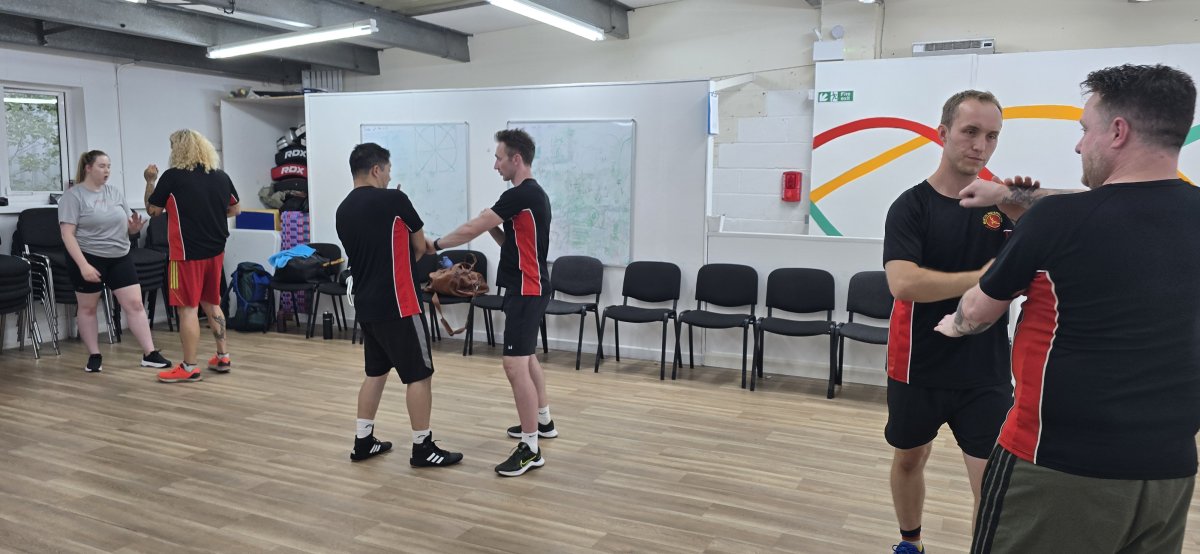
At Martial Movement 360, that atmosphere is something students comment on consistently. The mix of adults training together across different backgrounds, fitness levels, and experience creates a community that is hard to replicate in a gym or a team sport.
Stress and Anxiety Respond Well to Structured Physical Training
Research published in peer-reviewed journals has found that martial arts training can produce meaningful reductions in anxiety and stress. The combination of physical exertion, focused attention, and mindfulness-based elements, including breathing, controlled movement, and present-moment awareness, creates conditions that are well suited to stress regulation.
A study examining martial arts-based programmes in schools found that children reported significant reductions in stress, with many still using the techniques they had learned months after the programme ended. For adults, the mechanism is similar: the demand that a class places on your attention means that whatever was stressing you before you walked in tends to stay outside the door.
This is not a minor side effect. It is one of the core reasons people who start martial arts for fitness often end up staying for years.
Self-Control and Emotional Regulation Improve Over Time
One of the more counterintuitive findings in martial arts research is that training in a combat discipline tends to reduce aggression rather than increase it. Multiple studies and meta-analyses have examined this question, with the consistent conclusion that traditional martial arts training lowers levels of hostility and anger, particularly in adults.
The reason is embedded in how martial arts is taught. Self-control is not an abstract concept in a good martial arts class; it is a practical requirement from day one. You learn to manage contact, to respond rather than react, and to understand your own physical and emotional boundaries. That discipline transfers.
Research has also found a meaningful link between the self-regulation developed through martial arts and performance in other areas of life, including concentration, decision-making, and emotional responses under pressure.
Confidence Grows Gradually and Genuinely
The confidence that develops through martial arts is different from the kind that comes from a motivational talk or a weekend workshop. It is earned incrementally, through repetition and genuine challenge.
Each time you learn a technique, survive a difficult drill, or push through a session when you would rather have stayed on the sofa, you accumulate evidence that you are capable. Research consistently identifies increased self-esteem and self-efficacy as outcomes of sustained martial arts practice, particularly when the training environment is supportive rather than purely competitive.
For juniors, this effect is particularly significant. Studies have found that children who train in martial arts show improvements in self-belief, attention, and classroom behaviour, not because they are told to be more confident, but because they have concrete reasons to be.
Classes at Martial Movement 360
Martial Movement 360 runs junior and adult classes in Lichfield covering Kickboxing, Jeet Kune Do, Filipino Martial Arts (Kali/Eskrima), and Silat. The curriculum is built around practical self-defence but the training environment is welcoming to beginners and experienced practitioners alike.
Instructor Kevin Denton has over thirty years of experience across multiple disciplines and has trained with some of the most respected names in the martial arts world. Every session is designed to challenge you without being intimidating, with progress at your own pace and plenty of fun along the way.
If you would like to experience the social and emotional benefits of training for yourself, a free trial session is the easiest place to start.